Architecture overview
Nerve’s main product is a desktop workbench built from an Electron shell, a browser workbench, a local daemon, and shared transport-neutral foundations. The diagrams on this page are generated from the editable sources in the website package’s diagrams/ directory.
System context
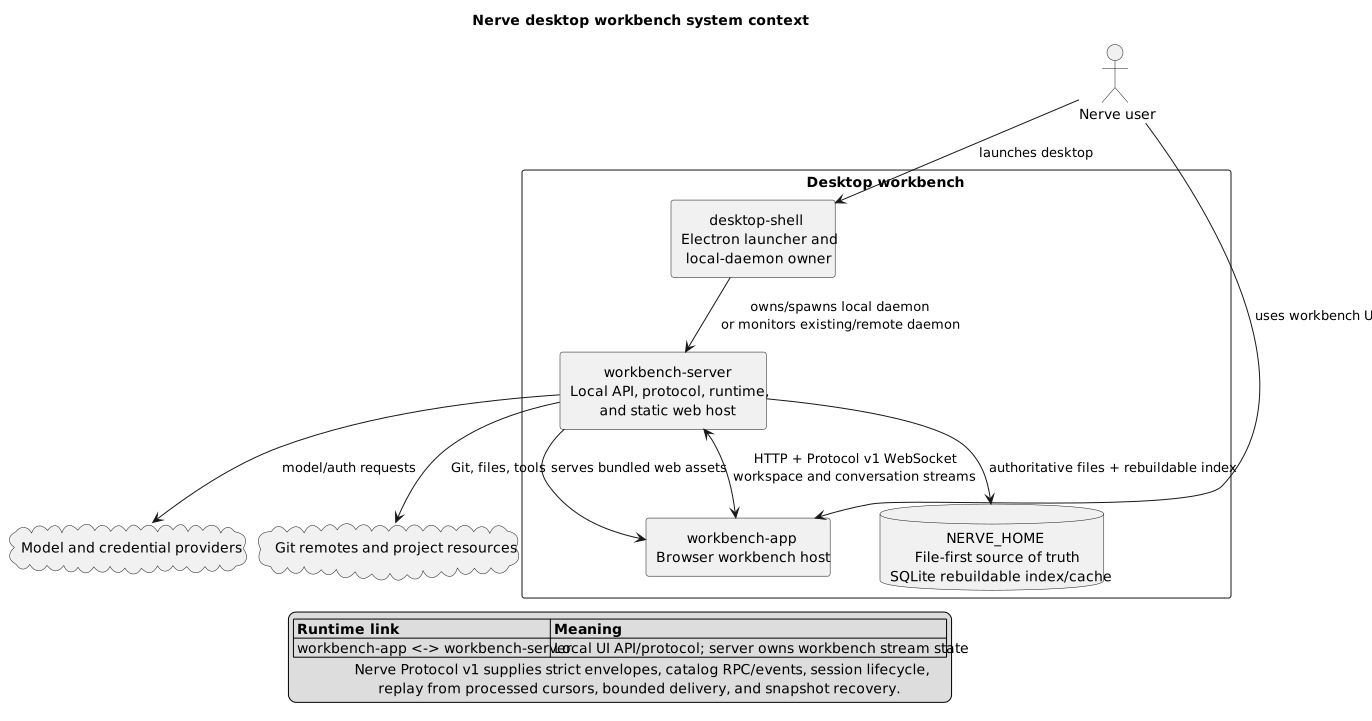
Section titled “System context”The Electron desktop launches or connects to a selected daemon. The browser workbench talks directly to that daemon over authenticated HTTP and Nerve Protocol v1 WebSocket; application data does not flow through broad Electron IPC. The daemon owns the workbench runtime, persistence, tools, model access, and external resource boundaries.
Runtime and daemon ownership
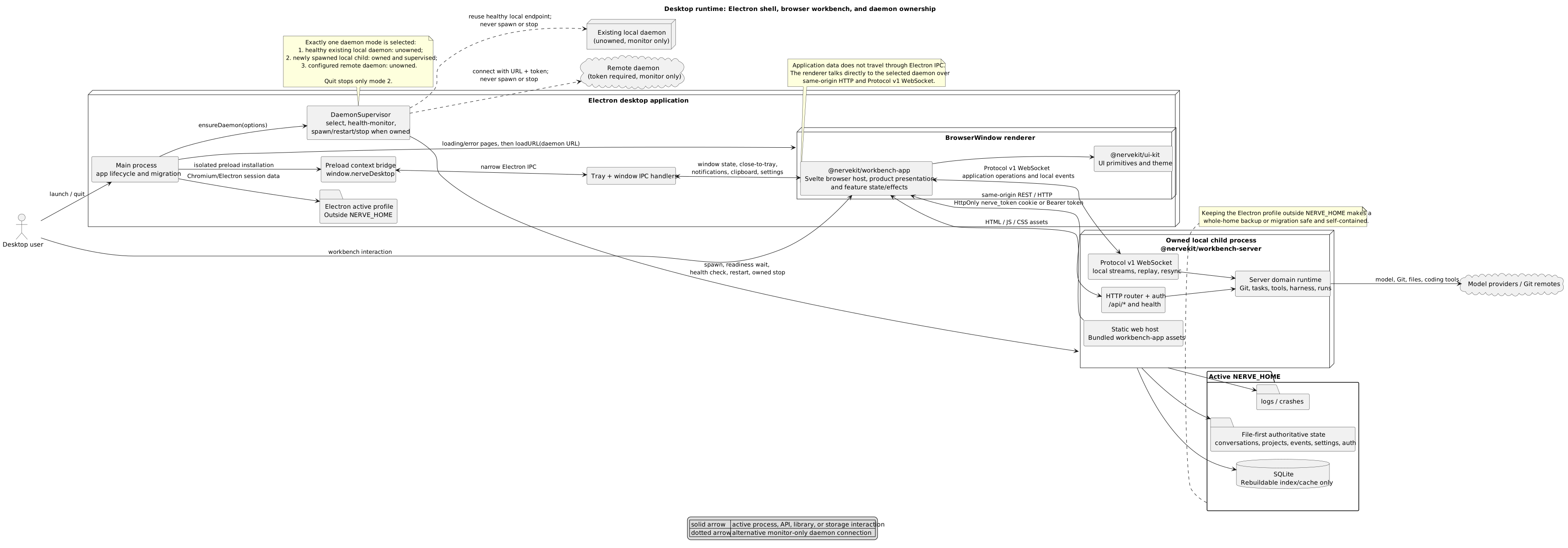
Section titled “Runtime and daemon ownership”The shell chooses exactly one daemon mode:
- adopt a healthy existing local daemon (unowned);
- spawn and supervise a local child (owned);
- connect to a configured remote daemon (unowned).
Quit stops only the owned child. Existing local and remote daemons are monitored but never spawned or stopped by the desktop shell.
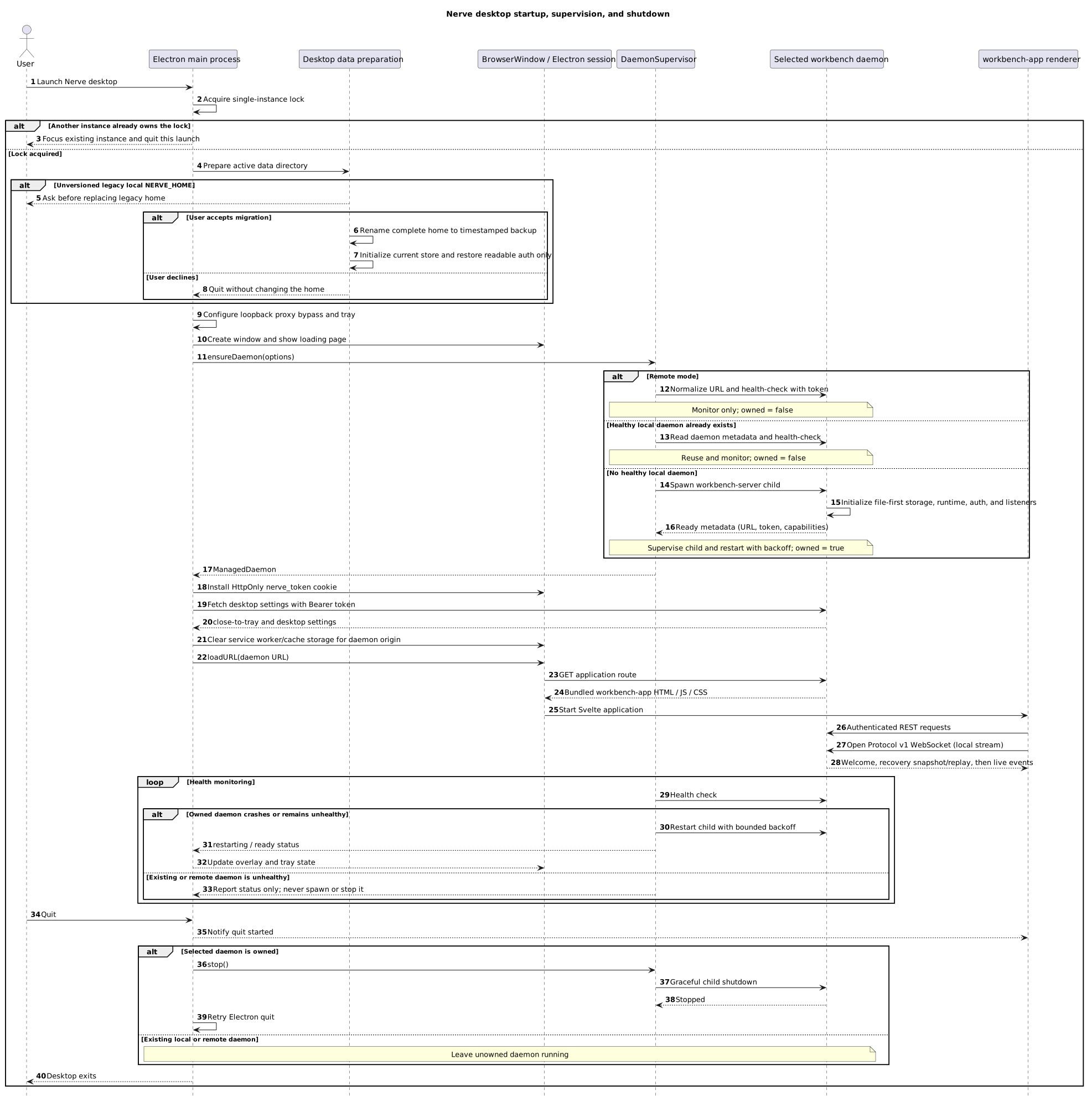
The startup path acquires a single-instance lock, prepares the active home, selects the daemon, installs the authenticated browser session, and loads the bundled workbench. Health monitoring can restart only a child owned by this launch.
Package boundaries
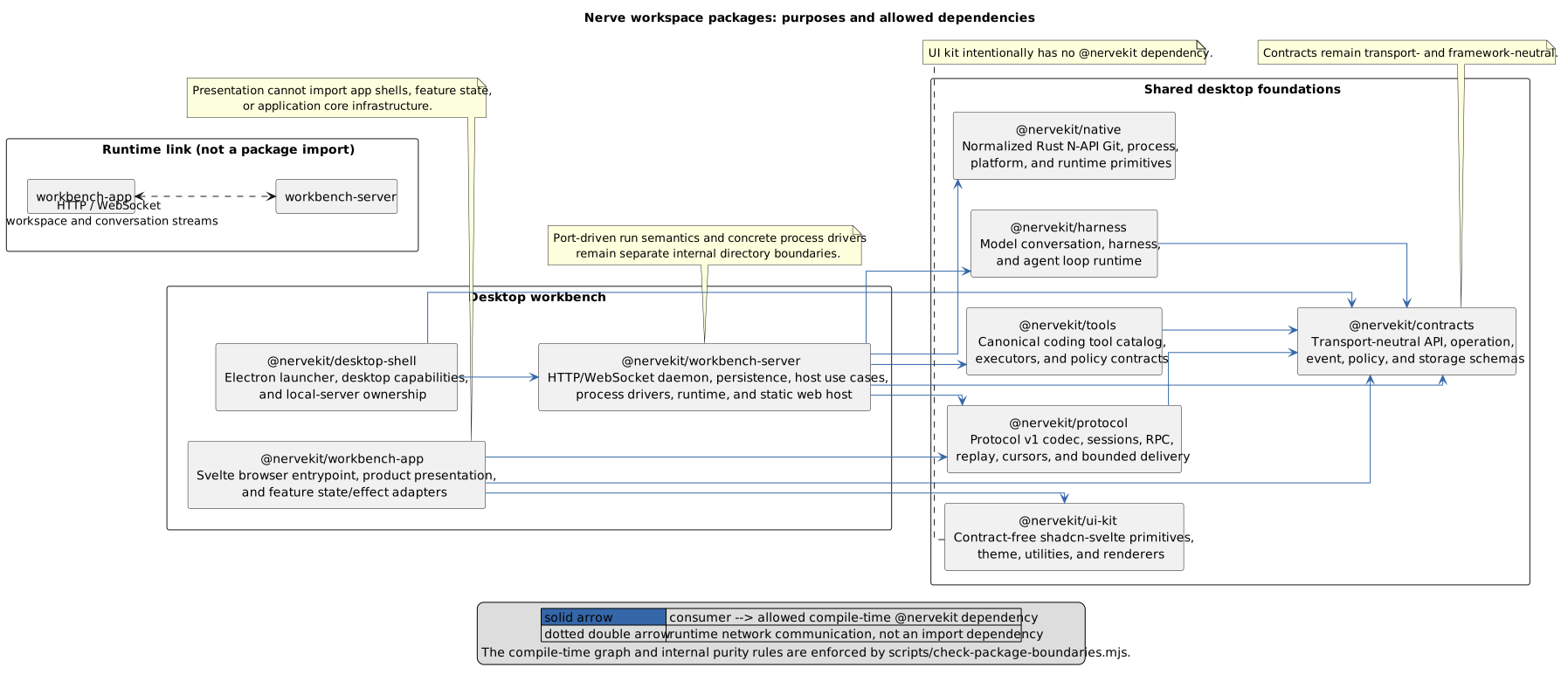
Section titled “Package boundaries”Shared foundations stay transport- and framework-neutral:
@nervekit/contractsowns API, operation, event, policy, tool, model, and storage schemas.@nervekit/protocolowns the Protocol v1 codec, sessions, RPC, replay, cursors, snapshots, and bounded delivery.@nervekit/harnessowns model resolution, conversation behavior, the generic agent loop, resources, and compaction.@nervekit/toolsowns the canonical tool catalog, executors, output bounds, artifacts, and Git/GitHub utilities.@nervekit/nativeprovides normalized TypeScript façades over the Rust N-API Git, process, platform, and runtime primitives used by the server.@nervekit/ui-kitprovides contract-free presentation primitives and renderers.
The product hosts compose those foundations:
@nervekit/workbench-serverowns HTTP/WebSocket routes, persistence, authentication, runtime composition, process drivers, and the static web host. It consumes@nervekit/nativefor cross-platform Git and managed-process behavior.@nervekit/workbench-appowns Svelte presentation and feature adapters/effects.@nervekit/desktop-shellowns the published launcher, Electron bridge, migration consent/presentation, and daemon ownership; the server package owns storage inspection and migration transactions.
See package responsibilities for the complete ownership map and contributing for repository boundary rules.
State and external boundaries
Section titled “State and external boundaries”NERVE_HOME keeps canonical conversation records and durable event streams in SQLite. Complete tool results that exceed the agent preview contract use private owner-scoped files beneath data/conversations/; SQLite records retain their projections, ownership, and integrity references. Electron’s active Chromium profile stays outside the Nerve home so whole-home backup and migration do not capture live browser caches or profile locks. See persistence and security boundaries for storage, secrets, authentication, and migration details.
The server reaches project files and processes locally. Model providers, OAuth, voice transcription, Web and Atlassian integrations, and Git remotes are explicit external paths. Platform reliability documents the native filesystem, process, and desktop-state rules behind those boundaries.
Protocol recovery
Section titled “Protocol recovery”Nerve Protocol uses typed RPC plus per-stream cursors, replay, snapshots, and resynchronization. It has no wire-level acknowledgement window; cursor advancement happens after reducers successfully process events. Durable events and transient notifications have different delivery guarantees. Tool output lifecycle explains the same distinction for tool execution and live output.